
The Ultimate Travel Guide to Malé: Exploring the Maldives’ Bustling Capital
When most people picture the Maldives, their minds immediately drift to isolated luxury overwater bungalows, silent beaches, and undisturbed horizons. However, right at the center of this world-famous archipelago lies a completely different reality: Malé City.
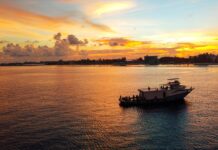
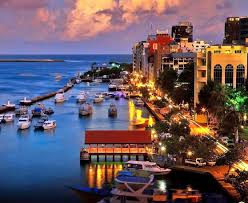
As one of the smallest yet most densely populated capital cities in the world, Malé is a vibrant, colorful maze of high-rise buildings, narrow streets, and bustling ports. It is the beating heart and soul of the nation—a destination that offers a captivating window into authentic Maldivian culture, deep Islamic history, and day-to-day island life that you simply won’t find on a private resort island.
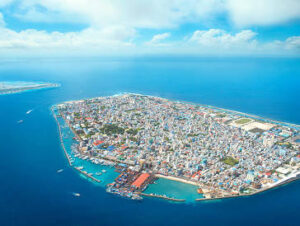
| Parameter | Detail |
| Total Land Area | Approximately 8.3 square kilometers |
| primary Appeal | Historical architecture, local street food, fish markets, cultural heritage |
| Ideal Visit Length | 24 to 48 hours (Perfect for a layover or arrival/departure buffer) |
| Local Currency | Maldivian Rufiyaa (MVR), though US Dollars and major credit cards are widely accepted |
Top Things to See & Do in Malé
Because the city is geographically compact, you can easily explore its top attractions on foot in a single day.
The Grand Friday Mosque & Islamic Centre
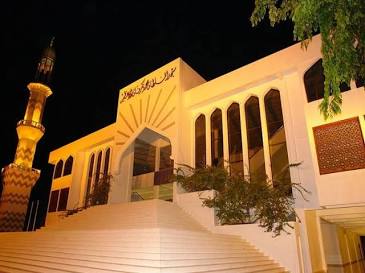
Dominating the city’s skyline with its magnificent golden dome, the Grand Friday Mosque (Hukuru Miskiy) is an architectural masterpiece. Opened in 1984, it is the largest mosque in the Maldives, accommodating over 5,000 worshippers. The complex is built using beautiful white marble, featuring intricate woodcarvings and traditional Arabic calligraphy.
The National Museum and Sultan Park
If you want to understand how an isolated string of islands evolved into a modern global destination, the National Museum is a must-visit. Located inside the peaceful, green oasis of Sultan Park, the museum houses an incredible collection of royal antiquities, ancient stone carvings dating back to the Maldives’ pre-Islamic Buddhist era, and traditional royal attire.
Artificial Beach
On the eastern side of the island sits the Artificial Beach, a beautifully designed man-made crescent of sand. Since Malé is naturally surrounded by deep harbors rather than shallow reefs, this spot was built to give locals a place to swim, relax, and play water sports. It is the perfect place to sit back with a cold drink late in the afternoon and watch the sunset alongside Maldivian families
A Sensory Explosion: The Local Markets
To truly experience the energy of Malé, you have to visit its twin markets located on the northern waterfront.
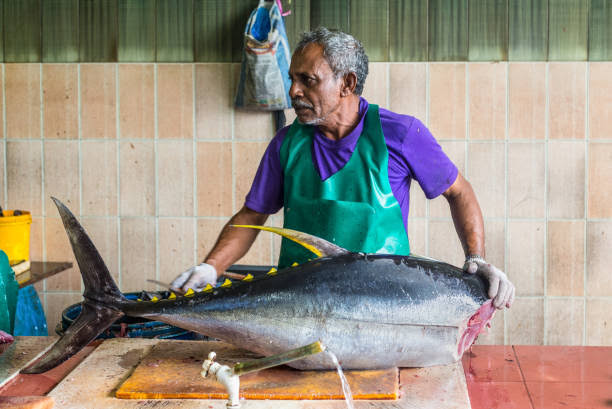
At the Malé Fish Market, you will get a front-row seat to the country’s second-largest economic driver: fishing. Watch in awe as local fishermen pull massive, gleaming yellowfin tuna straight from their wooden dhoni boats onto the tiled floors, where master cutters prepare them with lightning-fast precision.
Just a short walk away is the Local Produce Market. This market is a labyrinth of stalls packed with colorful tropical fruits, strings of local bananas, fresh betel leaves, and traditional sweets. Be sure to look for Addu Bondibai—a delicious, sweet local candy made of scraped coconut and palm sugar syrup wrapped neatly in dried banana leaves.
Eating Your Way Through the Capital
Malé is the culinary capital of the country, offering authentic flavors at a fraction of resort prices. Traditional Maldivian food heavily relies on three core ingredients: fish (mainly tuna), coconut, and starches.
Mas Huni (The Ultimate Breakfast): A spectacular dish made of finely shredded smoked tuna mixed with freshly grated coconut, chopped red onions, and lime juice. It is eaten cold alongside warm, freshly baked roshi (a local flatbread similar to roti).
Hedhikaa (Short Eats): Step into any local tea shop (hotaa) in the afternoon to try these bite-sized snacks. Popular choices include Gulha (fried pastry balls stuffed with fish and coconut) and Bajiya (the Maldivian take on the savory samosa).
Essential Practical Tips for Your Visit
- Because Malé is a residential local city rather than a tourist resort, there are a few strict rules and cultural customs you need to know before you arrive:
- Alcohol Restrictions: The Maldives is a 100% Muslim country. Alcohol is strictly illegal in Malé City and cannot be bought or consumed anywhere on the island. (If you want a drink, you will have to take a short ferry to the airport hotel island or wait until you get to your private resort island).
- Dress Code: While swimwear is normal at resort beaches, you must dress respectfully while walking the streets of Malé. Both men and women should ensure their clothes cover their shoulders and knees.
- Getting Around: Taxis operate on a fixed flat fare anywhere within the island, but the easiest and most rewarding way to experience Malé is simply by walking. You can walk across the entire island in less than 45 minutes!
The Verdict: Is Malé Worth It?
While it doesn’t offer the slow-paced relaxation of a private luxury island, Malé gives you something far more valuable: a genuine, unedited look into the life, history, and warmth of the Maldivian people. Spending 24 hours wandering its historic streets is the perfect cultural prefix to any tropical vacation.