
Standing tall at 3,776 meters, Mount Fuji (Fujisan) is not just Japan’s highest mountain—it is the ultimate symbol of the country’s natural beauty, culture, and spirit. For centuries, this perfectly symmetrical, snow-capped active volcano has inspired poets, artists, and travelers from all around the globe.
Whether you are looking to capture that postcard-perfect photograph, relax in a hot spring (onsen), or challenge yourself to climb to the summit, Mount Fuji offers an unforgettable adventure.
The Most Iconic Viewpoints
You don’t necessarily have to climb Mount Fuji to appreciate its grandeur. Some of the most breathtaking experiences come from viewing it from afar, framed by traditional architecture or serene waters.
Chureito Pagoda (Arakurayama Sengen Park)
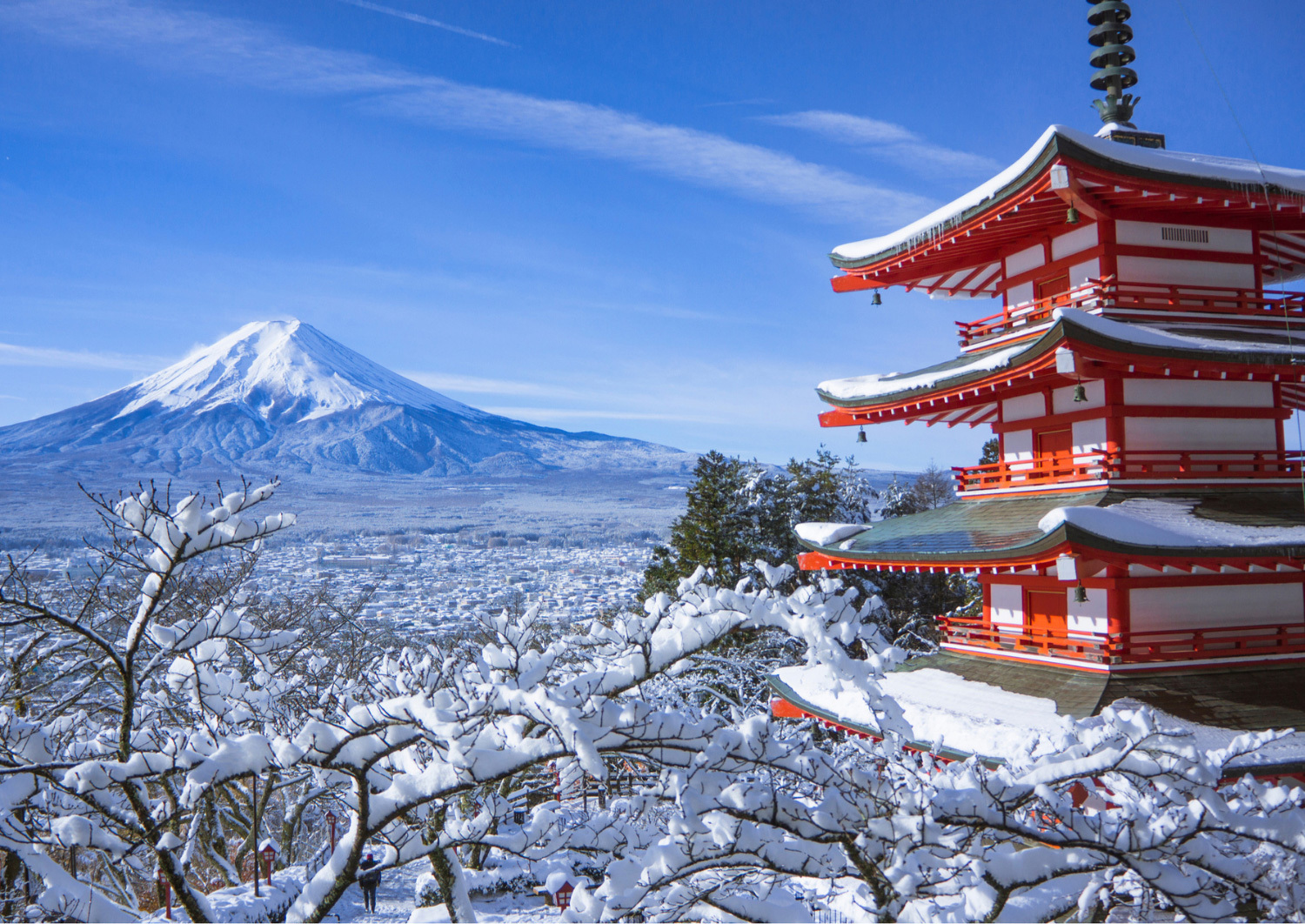
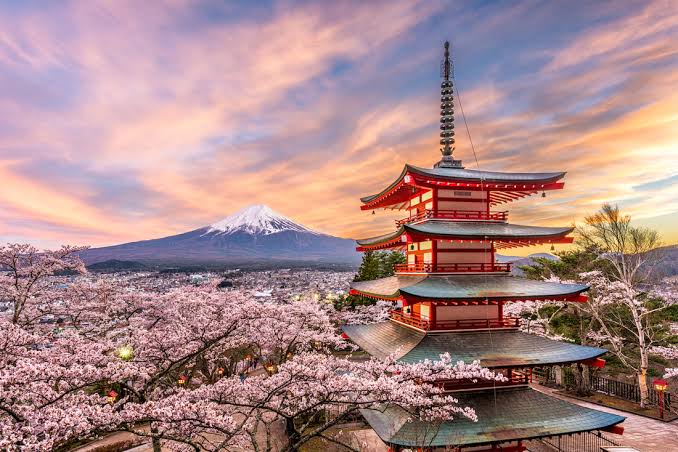
If you have ever seen a postcard of Japan featuring a red five-story pagoda, cherry blossoms, and a snow-capped mountain, it was taken right here. Located in Fujiyoshida, climbing the 398 steps to this viewpoint rewards you with a timeless visual harmony that captures the very essence of Japan.
Lake Kawaguchi (Fuji Five Lakes)
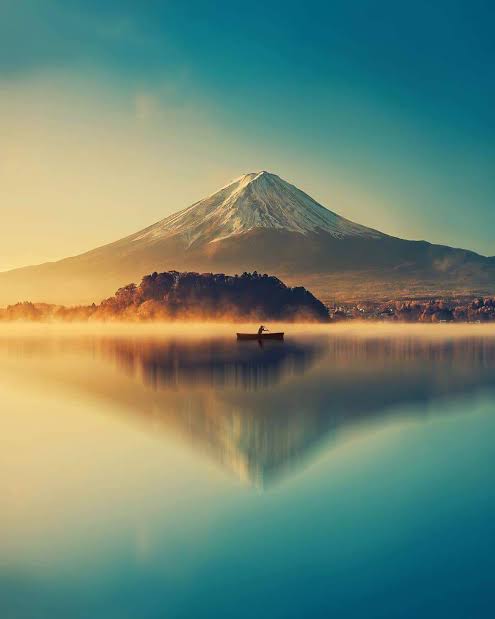
As the most popular and accessible of the Fuji Five Lakes, Lake Kawaguchi offers stunning, direct panoramic views. On calm, clear mornings, you can witness “Sakasa Fuji” (the Reverse Fuji), where the majestic mountain reflects perfectly onto the mirrored surface of the lake.
Best Things to Do Around Mount Fuji
Beyond photography, the region surrounding the mountain is packed with unique cultural and natural activities:
- Relax in an Onsen: Relax in a traditional Japanese hot spring bath in the town of Fujikawaguchiko or nearby Hakone, while looking out at the mountain silhouette.
- Explore Oshino Hakkai: Visit this charming tourist village featuring eight crystal-clear spring ponds fed by Mount Fuji’s melting snowmelt, which filters through underground lava layers for over 20 years.
- Stroll Through Oishi Park: Walk along the northern shore of Lake Kawaguchi, where seasonal flowers like lavender in summer and bright red Kochia bushes in autumn create a vibrant foreground for your photos.
Quick Travel Guide for Visitors
| Detail | What You Need to Know |
| Best Time to Visit | Winter (Nov–Feb) offers the clearest skies and best visibility. Spring (April) brings cherry blossoms. |
| Climbing Season | Early July to early September only (when trails are safe and free of snow). |
| How to Get There | Take the direct Fuji Excursion Limited Express train from Shinjuku Station in Tokyo straight to Kawaguchiko Station (approx. 2 hours). |
Traveler’s Tip: Mount Fuji can be shy! Clouds often roll in by midday, hiding the peak. For the absolute best chance of a clear view, plan your sightseeing during the early morning hours.