
If the idea of first-time solo travel feels exciting and terrifying at the same time, you’re exactly where you should be. It’s normal. Everyone who has ever taken a solo trip has felt that initial hesitation. But once you take that first step, the world opens up in ways group travel simply can’t match. You’ll move at your own pace, follow your own interests, and build confidence with every decision you make.
This guide will walk you through solo trip planning step by step, making the process feel manageable, safe, and—most importantly—exciting.
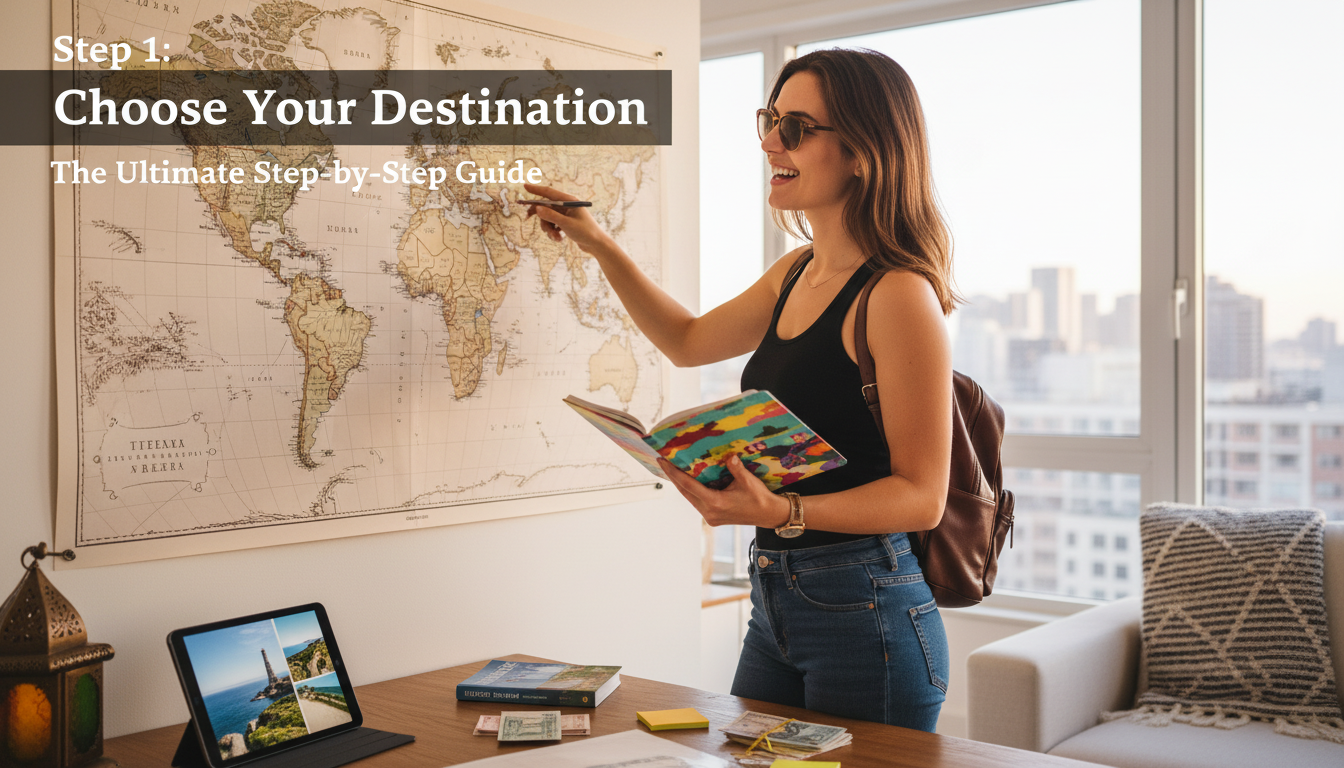
Step 1: Choosing the Perfect Destination
Picking where to go is often the hardest part of planning your first solo trip. The goal isn’t to choose the most exotic or far-flung destination. it’s to choose one that makes you feel comfortable, safe, and curious. For beginners, prioritise safe destinations for solo travellers with reliable infrastructure and a welcoming culture. Countries like Japan, Iceland, and Sri Lanka are often recommended because they offer a mix of safety, ease of navigation, and unforgettable experiences.
When choosing your destination, consider:
- Safety levels (low crime rates, traveller-friendly environments)
- Public transport accessibility
- Language barriers (how easy is it to communicate?)
- Cultural openness to tourists
- Cost of travel and living
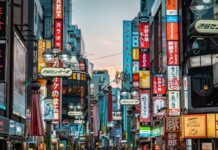
Japan, for instance, is incredibly efficient and safe, making it ideal if you’re nervous about navigating alone. Iceland offers breathtaking landscapes and a peaceful atmosphere, perfect if you enjoy solitude. Sri Lanka gives you a mix of culture, beaches, and affordability.
Pro Tip:
Choose a destination where tourism is well-developed. It reduces stress and allows you to focus on enjoying the experience rather than solving logistical problems.
Step 2: Smart Budgeting
Start by breaking your expenses into key categories:
- Flights or transport
- Accommodation
- Food and drinks
- Activities and attractions
- Travel insurance
- Emergency fund
A common mistake first-time travellers make is underestimating daily expenses. It’s not just about major costs—small things like coffee, transport tickets, and entrance fees add up quickly. To make things easier, use the Travel Cost Analyzer on our site. It gives you a clearer picture of what your trip will actually cost based on your destination and travel style.
Step 3: Booking Accommodation
For first-time travellers, the goal is to find accommodation that feels safe, social (if you want it), and conveniently located. Here’s a quick breakdown:
| Type | Best For | Pros | Cons |
| Hostels | Social travellers | Affordable, easy to meet people | Less privacy |
| Hotels | Comfort and privacy | Secure, predictable | More expensive |
| Apartments | Longer stays or flexibility | More space, local feel | Less social interaction |
Pro Tip:
Arrive at your accommodation during daylight hours if possible. It makes navigation easier and helps you feel more at ease in a new place.
Step 4: Crafting the Itinerary
Start by identifying:
- Must-see attractions
- Experiences you’re excited about
- A few flexible “free days”
Avoid overpacking your schedule. Leave space for wandering, unexpected discoveries, or simply resting. Solo travel isn’t a race—it’s your journey. To simplify the process, use the Travel AI Itinerary Generator. It helps you create a personalised plan based on your interests, time, and destination.
Pro Tip:
Plan your first day lightly. You’ll likely be tired from travel, and easing into your destination makes a big difference.
Step 5: Packing Like a Pro
Focus on:
- Versatile clothing (mix-and-match outfits)
- Comfortable walking shoes
- Weather-appropriate layers
- Basic toiletries
- Travel documents and copies
Don’t forget safety and convenience essentials:
- Portable charger
- Padlock
- Reusable water bottle
- Small first-aid kit
To make things even easier, use the Dynamic Packing Checklist. It adapts to your destination, weather, and trip length—so you only pack what you truly need.
Pro Tip:
Lay out everything you plan to pack—then remove at least 25%. You’ll rarely miss what you leave behind.
Step 6: Staying Safe & Connected
Safety is often the biggest concern for first-time solo travellers. But with a few smart habits, you can travel confidently almost anywhere.
Start with connectivity:
- Get a local SIM card or international data plan
- Keep your phone charged at all times
- Save offline maps
Stay connected with people you trust:
- Share your itinerary with family or friends
- Send regular updates
- Use location-sharing apps if needed
Communication can also be a challenge in unfamiliar countries. That’s where the Travel Instant Translator becomes invaluable. It helps you navigate language barriers effortlessly, whether you’re ordering food or asking for directions.
Pro Tip:
Avoid sharing too many details about your travel plans with strangers. Friendly conversations are great—but keep personal information limited.
Step 7: Making Friends & Enjoying Solitude
If you want to meet people, you absolutely will. Some easy ways include:
- Staying in hostels
- Joining walking tours
- Taking local classes or workshops
- Using travel apps or meet-up groups
Pro Tip:
Say yes to invitations that feel right, but don’t be afraid to say no. Your comfort always comes first.
Planning your first solo trip might feel overwhelming at first, but once you break it down into steps, it becomes surprisingly manageable. From choosing safe destinations for solo travellers to mastering solo trip planning, every part of the process builds your confidence.