
Why Fiji? The Magic of the “Bula” Spirit
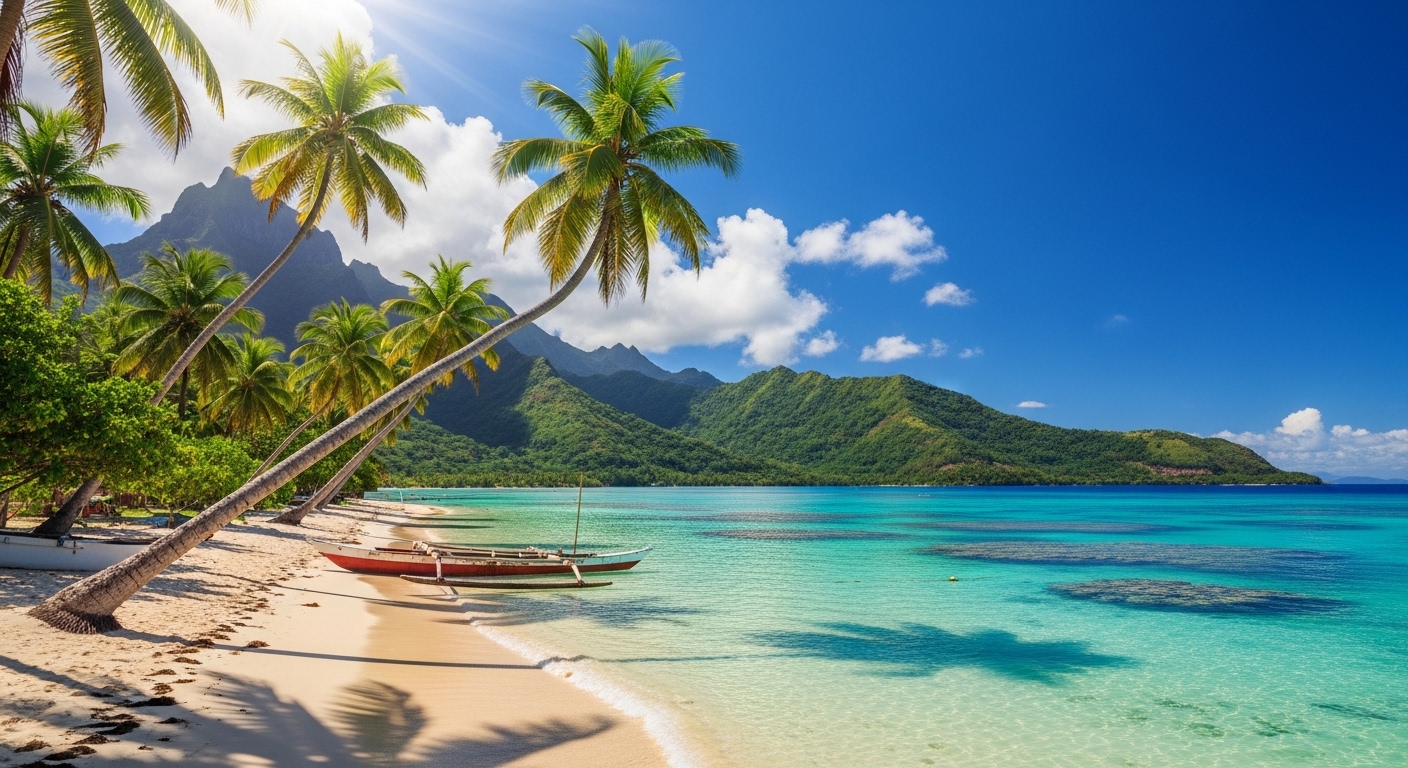
There’s something about Fiji that goes far beyond postcard-perfect beaches and swaying palms. It’s a feeling—warm, genuine, and instantly disarming—known locally as the “Bula” spirit. You’ll hear the word “Bula” everywhere: at the airport, in villages, from resort staff, even shouted joyfully across the ocean. It means “hello,” but more than that, it embodies life, happiness, and a deeply rooted culture of kindness. And honestly, you don’t just hear it—you feel it in every interaction.
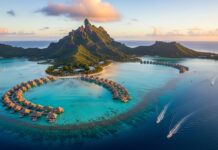
Fiji is made up of 333 islands, each with its own personality, rhythm, and hidden corners waiting to be explored. Some islands are buzzing with activity and luxury resorts, while others remain blissfully untouched, offering that castaway fantasy many travellers secretly crave. This diversity makes Fiji incredibly versatile—perfect for honeymooners seeking seclusion, families wanting safe adventure, and thrill-seekers chasing waves and reefs.
What truly elevates Fiji, though, is its people. Fijians are often described as some of the friendliest in the world, and it’s not an exaggeration. Hospitality here isn’t transactional—it’s cultural. Whether you’re checking into a five-star resort or visiting a small village, you’re treated less like a guest and more like a long-lost friend.
Add in volcanic landscapes, coral reefs bursting with colour, and sunsets that feel almost theatrical, and you begin to understand why Fiji isn’t just a destination—it’s an emotional experience.
Top 5 Experiences in Fiji
1. Scuba Diving in the Rainbow Reef
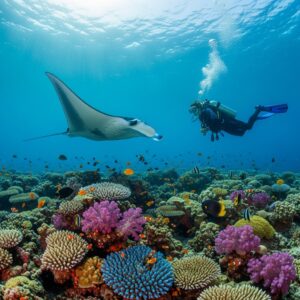
Located off the island of Taveuni, the Rainbow Reef is often described as one of the best dive sites in the world—and it’s easy to see why. Bursting with soft corals in every imaginable colour, it feels less like diving and more like drifting through a living kaleidoscope.
Visibility is excellent, and marine life is abundant, from reef sharks to vibrant schools of fish. Even if you’re not a certified diver, snorkelling here still offers an unforgettable glimpse into this underwater paradise.
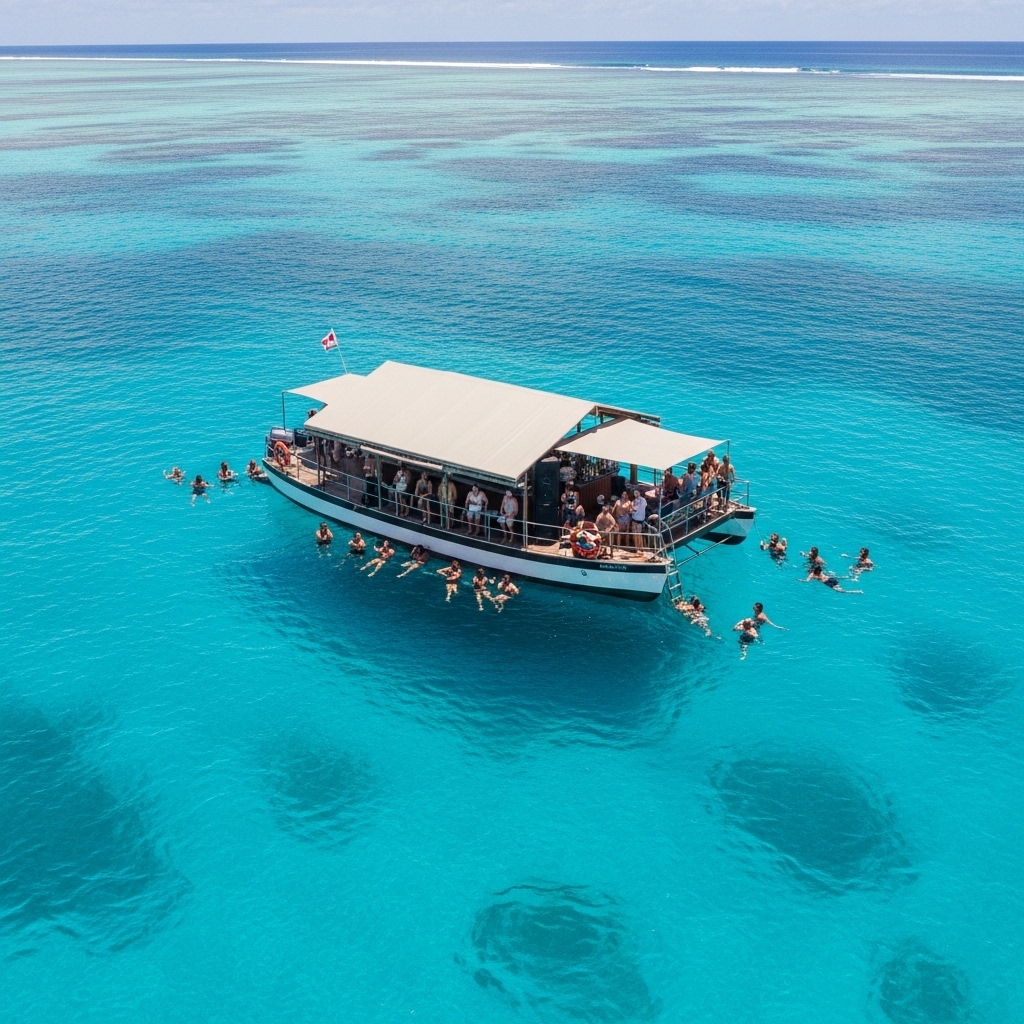
2. Cloud 9 Floating Bar
Floating in the middle of the ocean with nothing but turquoise water surrounding you, Cloud 9 is equal parts surreal and social. It’s a hotspot for travellers looking to mix relaxation with a bit of energy.
You can swim, sunbathe, sip cocktails, and even jump straight into the sea between drinks. It’s a must-do, especially if you’re staying in the Mamanuca Islands.
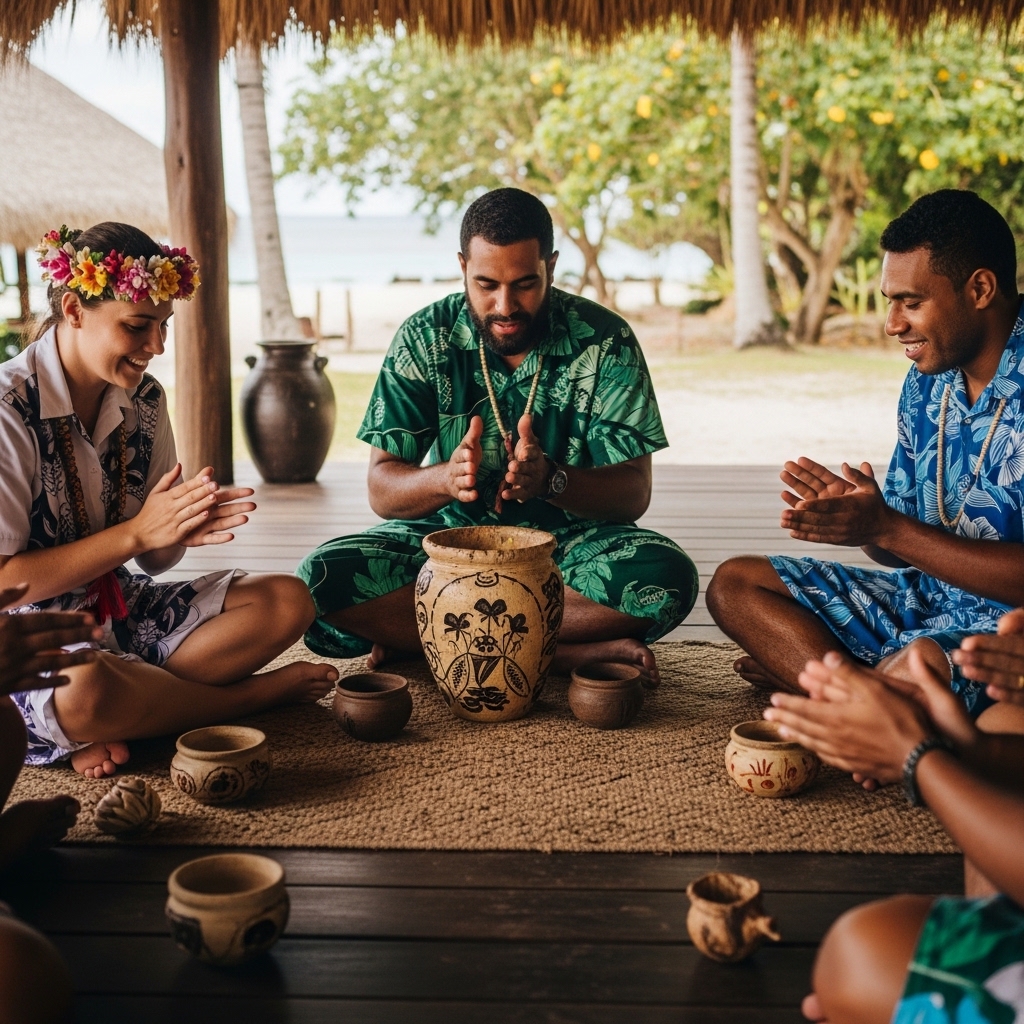
3. Traditional Kava Ceremony
To truly understand Fiji, you need to experience a kava ceremony. This traditional ritual involves drinking a mildly sedative beverage made from the root of the yaqona plant.
It’s not about the taste—it’s about the moment. Sitting in a circle, clapping in rhythm, and sharing stories creates a sense of connection that’s hard to replicate elsewhere. It’s cultural immersion at its most authentic.
4. Sigatoka Sand Dunes National Park
On Viti Levu’s Coral Coast, the Sigatoka Sand Dunes offer a completely different landscape. Rolling dunes stretch along the coastline, creating a dramatic and almost desert-like environment.
Hiking here is both scenic and historical, with archaeological sites revealing Fiji’s ancient past. It’s a refreshing break from beaches and a reminder of the islands’ diversity.
5. Surfing at Cloudbreak
For adrenaline seekers, Cloudbreak is legendary. Located near the Mamanuca Islands, it’s one of the world’s top surf breaks, known for powerful waves and challenging conditions.
Even if you’re not a surfer, watching the pros tackle these waves is an experience in itself. It’s raw, intense, and utterly captivating.
Best Regions to Stay in Fiji
Viti Levu: The Beating Heart of Fiji
If Fiji had a centre of gravity, it would be Viti Levu, the largest and most developed island. This is where you’ll land—home to Nadi International Airport—and where many journeys begin. But don’t rush through it. Viti Levu offers a compelling blend of culture, adventure, and accessibility that often gets overlooked.
On the western side, Denarau Island is synonymous with luxury. Think high-end resorts, golf courses, and marina-front dining. It’s polished and convenient, especially for families or travellers easing into island life. Head inland or along the Coral Coast, and the vibe shifts. Here, you’ll find traditional villages, lush rainforests, and a slower, more authentic rhythm.
For travellers who like variety without constant transfers, Viti Levu is ideal. You can spend the morning zip-lining through jungle canopies and the afternoon sipping cocktails by the beach. It’s also a practical base for exploring nearby islands.
Mamanuca Islands: Picture-Perfect Paradise
The Mamanuca Islands are what most people imagine when they think of Fiji—crystal-clear lagoons, powdery white sand, and water so blue it almost looks unreal. Located just off the coast of Viti Levu, they’re easily accessible by boat or seaplane, making them incredibly popular for short stays.
These islands are all about effortless beauty and relaxation, but they’re far from boring. Snorkelling here is exceptional, with vibrant coral gardens just steps from shore. Many resorts cater to couples and honeymooners, offering private villas and overwater-style accommodations.
It’s also where you’ll find the iconic Cloud 9 floating bar, a two-level platform in the middle of the ocean serving pizzas, cocktails, and unbeatable views. Yes, it’s as fun as it sounds.
Yasawa Islands: Wild, Remote, and Unforgettable
If you’re craving something a little more raw and untouched, the Yasawa Islands deliver in full. Stretching north from the Mamanucas, this chain feels like a different world—less polished, more rugged, and deeply immersive.
Here, dramatic volcanic peaks rise from the sea, and beaches feel almost private. Accommodation ranges from eco-lodges to boutique luxury retreats, often run with strong ties to local communities. It’s the kind of place where you disconnect from Wi-Fi and reconnect with everything else.
The Yasawas are particularly popular with adventurous travellers and couples looking for seclusion. Activities tend to be nature-focused—think cave explorations, reef snorkelling, and village visits that offer genuine cultural insight.
Practical Planning for Fiji
Timing your trip can make a huge difference. The best months to visit are May to October, during the dry season. Expect sunny days, lower humidity, and ideal conditions for outdoor activities. It’s also peak season, so booking in advance is wise.
Fiji uses the Fijian Dollar (FJD), and while many resorts accept credit cards, having a handle on exchange rates helps you avoid overspending. This is where the Dreame Travel Currency Converter becomes incredibly useful. It gives real-time rates, helping you make smart decisions whether you’re booking excursions or shopping locally.
Flights into Fiji typically arrive in Nadi, with connections available from Australia, New Zealand, the US, and parts of Asia. From there, island transfers are usually by boat or small aircraft—both offering stunning views that feel like part of the adventure.
Budget vs. Luxury: Two Sides of Fiji
Fiji has a reputation for luxury, but it’s surprisingly flexible when it comes to budget.
For backpackers, there are plenty of affordable hostels and island stays, especially in the Yasawas. Local buses, shared transfers, and simple meals keep costs down without sacrificing experience.
For luxury travellers, Fiji delivers in spectacular fashion. Private villas, personal butlers, spa treatments, and fine dining are all part of the package. Resorts in the Mamanucas and Denarau are particularly known for high-end experiences.
Using the Dreame Travel Cost Analyzer, you can map out your entire trip—from flights to daily expenses—and find the right balance between indulgence and practicality. It’s not about spending less; it’s about spending smart.
Sustainable Travel in Fiji
Fiji’s beauty is fragile, and preserving it requires conscious effort from every visitor.
Respecting local customs is essential, especially when visiting villages. Dress modestly, remove hats, and always ask permission before taking photos. These small gestures go a long way in showing appreciation for Fijian culture.
Marine conservation is equally important. Coral reefs are sensitive ecosystems, so using reef-safe sunscreen and avoiding physical contact with marine life helps protect them for future generations.
Many resorts now incorporate sustainability into their operations, from reducing plastic use to supporting local communities. Choosing these establishments not only enhances your experience but also contributes to the long-term health of the islands.
Bula Guide: Quick Facts for Fiji
- Language: English, Fijian, and Hindi are widely spoken
- Currency: Fijian Dollar (FJD)
- Best Time to Visit: May to October
- Time Zone: GMT +12
- Getting Around: Boats, domestic flights, and local buses
- Must-Pack: Reef-safe sunscreen, light clothing, water shoes
- Helpful Tool: Use the Dreame Travel Currency Converter for real-time exchange rates
Conclusion
Fiji isn’t just a place you visit—it’s a place that stays with you. From the infectious warmth of the Bula spirit to the sheer diversity of its islands, every moment feels rich with meaning and possibility. Whether you’re diving into coral gardens, sharing stories over kava, or simply watching the sun melt into the ocean, Fiji offers something rare: a balance of adventure, luxury, and genuine human connection.
With thoughtful planning, smart budgeting using tools like the Dreame Travel Cost Analyzer, and real-time insights from the Dreame Travel Currency Converter, your dream island escape becomes not only achievable but deeply rewarding.